
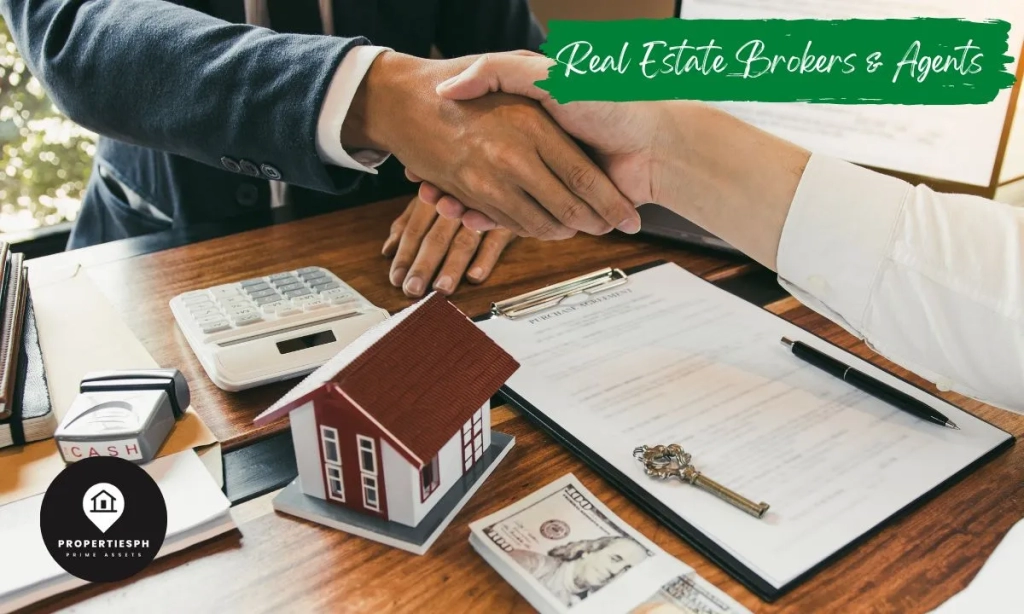
Difference between Real Estate Brokers and Agents webp

Real Estate 101: What is a real estate broker?

A real estate broker is a licensed professional who helps clients buy, sell, and rent real estate properties. Real estate brokers typically have more education and experience than real estate agents, and they are licensed to manage their own real estate businesses. Here are some key responsibilities of a real estate broker: Listing properties: A real estate broker may list properties for sale or...

Real Estate 101: What is a real estate developer?

A real estate developer is a professional who is involved in the process of developing real estate projects, such as building new homes or renovating existing properties. Real estate development can encompass a wide range of activities, including acquiring land, securing financing, obtaining necessary permits and approvals, and overseeing the construction process. Real estate developers may work on...

Real Estate 101: How Real Estate Works

Real estate refers to the buying, selling, and renting of land, buildings, and other structures. Here is a general overview of how real estate works: Finding a property: The first step in the real estate process is finding a property that meets your needs and budget. This may involve working with a real estate agent or conducting your own search online or through other channels. Making an offer:...

Real Estate 101: What is a real estate agent?

A real estate agent is a professional who helps individuals buy, sell, and rent properties. Real estate agents are licensed by the state in which they work and must adhere to certain rules and regulations. Some of the main responsibilities of a real estate agent include: Marketing properties: Real estate agents use a variety of methods to advertise and...

Real Estate 101: Detached design houses

In real estate, a detached property is a standalone building that is not attached to any other buildings. Detached properties can include single-family homes, townhouses, and other types of buildings that are not attached to any other structures. Detached properties can offer a number of benefits, including privacy, more space, and the ability to customize the...

Real Estate 101: Duplex design houses

A duplex is a type of real estate property that consists of two separate units that share a common wall. Each unit typically has its own separate entrance, kitchen, and living spaces, and may be used as a rental property or as a primary residence. There are several benefits to owning a duplex: Passive income: Renting out one or both units can provide a...

Real Estate 101: Real estate investment as a doctor

Real estate investing can be a good opportunity for doctors to diversify their investment portfolio and potentially generate passive income. Here are a few things to consider if you're a doctor looking to invest in real estate: Determine your investment goals: What are you trying to achieve through your real estate investments? Are you looking for income, appreciation, or both? Your investment goals...

Real Estate Business: Property renting

Property renting, also known as property leasing or property management, involves managing the rental of a property, such as a house or apartment, to tenants. This can include tasks such as finding tenants, negotiating rental agreements, collecting rent, and maintaining the property. Here are some key considerations for starting a property renting business: Choose your market: Determine the type of...

Real Estate Business: Property Flipping

Property flipping refers to the practice of buying a property, typically at a low price, and then quickly selling it for a profit. Flippers may make improvements to the property to increase its value, but the primary goal is to sell the property as quickly as possible. Flipping can be a risky business, as it relies on the ability to accurately forecast the future value of a property. Market conditions,...

7 red flags to watch out for when identifying a bad real estate developer

Here are some red flags to watch out for when identifying a bad real estate developer: Lack of transparency: Be wary of developers who are not upfront about their plans, financing, or any potential conflicts of interest. Poor communication: A good developer will be responsive to your questions and concerns and keep you informed about the project. If a developer is not communicative or responsive,...

Compare listings

Compare